The Easy Way to Catch a Scam Call Before It Costs You

Phone scams have gotten harder to spot because caller ID can be faked to show a real bank's name or a local number that looks familiar. The good news is you don't need to recognize every scam trick. You need one habit that works no matter what the call claims to be.
Hang up, and call the company back using a number you looked up yourself.
Why Caller ID Can't Be Trusted
Scammers use a technique called spoofing, which lets them make any name or number show up on your caller ID, including your bank's real customer service line or even a neighbor's number. Seeing a familiar name on the screen tells you nothing about who's actually calling.
This is why the sentence "but it showed up as my bank" isn't proof of anything. The only way to know you're really talking to your bank is to be the one who dials the number.
The Rule: You Call Them, They Don't Reach You
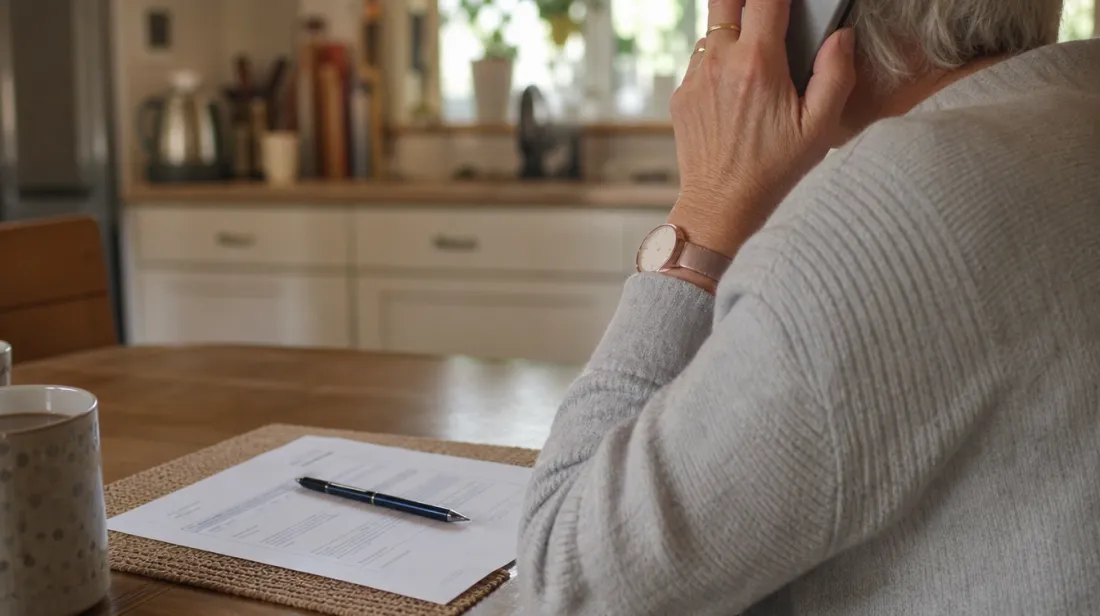
If someone calls claiming to be your bank, the government, or a company you do business with, and asks you to confirm information or make a payment, hang up. Then find that company's real number yourself, from the back of your card, a past bill, or their official website, and call that number directly.
This single habit defeats almost every phone scam, because the scammer loses all control the moment you're the one dialing.
Tip: Keep your bank's real customer service number saved in your phone under a clear name, so you never have to search for it in a moment of stress.
Real Companies Don't Rush You
Scam calls almost always create urgency. Your account will be frozen. A warrant has been issued. This offer expires in the next ten minutes. That pressure is designed to stop you from thinking clearly enough to hang up and check.
A real bank, government office, or utility company will never object to you calling back on a number you looked up yourself. If a caller pushes back hard against that idea, that reaction alone tells you what you need to know.
No Legitimate Caller Asks for Payment in Gift Cards
Gift cards, wire transfers, and cryptocurrency all share one thing in common: once you send the money, it's essentially impossible to get back. Scammers prefer these methods for exactly that reason.
No real government office, utility company, or bank will ever ask you to pay a bill or a fine using gift cards. If a caller asks for payment this way, the call is a scam, regardless of anything else they've said.
Don't Confirm Personal Information, Even to "Verify" You
A common scam script asks you to "verify" your identity by confirming your date of birth, the last four digits of your card, or your address. This sounds harmless, but it can hand a scammer exactly what they need to access an account.
A real company that called you would already have your information on file and wouldn't need to ask you to read it back to them.
Write Down What Happened and Report It
If you get a suspicious call, jot down the number, the time, and what they asked for, even if you didn't fall for it. This takes thirty seconds and helps you recognize the pattern if a similar call comes in again.
You can report suspicious calls to the Federal Trade Commission at reportfraud.ftc.gov, which helps track scam patterns even when no money changed hands.
If You Already Gave Out Information
If you already shared an account number or made a payment before realizing something was wrong, call your bank directly using the number on your card and explain what happened. Acting quickly gives them the best chance to stop or reverse a transaction.
There's no need to feel embarrassed making that call. Banks handle this often, and reporting it fast matters far more than how it happened.
Scam Callers Often Target the Same Person Twice
If a scammer reaches you once, your number may end up on a list that gets sold or shared among other scam operations, leading to a second call weeks or months later with a different story. Don't assume that because you recognized the first attempt, a later one will look the same.
Applying the same rule every time, hang up and call the real number yourself, protects you regardless of what story the caller uses next.
Talk About It With Family
Scammers sometimes call pretending to be a family member in trouble, asking for money urgently and asking you to keep it quiet. Agreeing in advance on a simple check-in habit, like texting another family member to confirm before sending any money, closes off this specific and upsetting version of the scam.
Tip: A short conversation now, about how these calls work and what to do if one comes in, is worth far more than a warning after the fact.
The Bottom Line
You don't need to memorize every scam script out there. One habit covers almost all of them: if someone calls asking for money or information, hang up and call the real number back yourself.
That single pause is often the only thing standing between a normal afternoon and a very expensive mistake.
This article is general information, not financial advice. Your situation is your own, so check the details with your bank or a qualified advisor.