The Easy Way to Cut Your Weeknight Cooking Time in Half
By the time six o'clock rolls around on a weeknight, the last thing most people want to do is spend an hour standing at the stove. That is usually when takeout menus start looking tempting.
The good news is you do not need to cook less to save time, you just need to cook smarter. A few changes to how you plan and prep can cut your actual cooking time by half or more.
Here is how to make weeknight dinners faster without cutting corners on the food itself.
Do Your Chopping on the Weekend
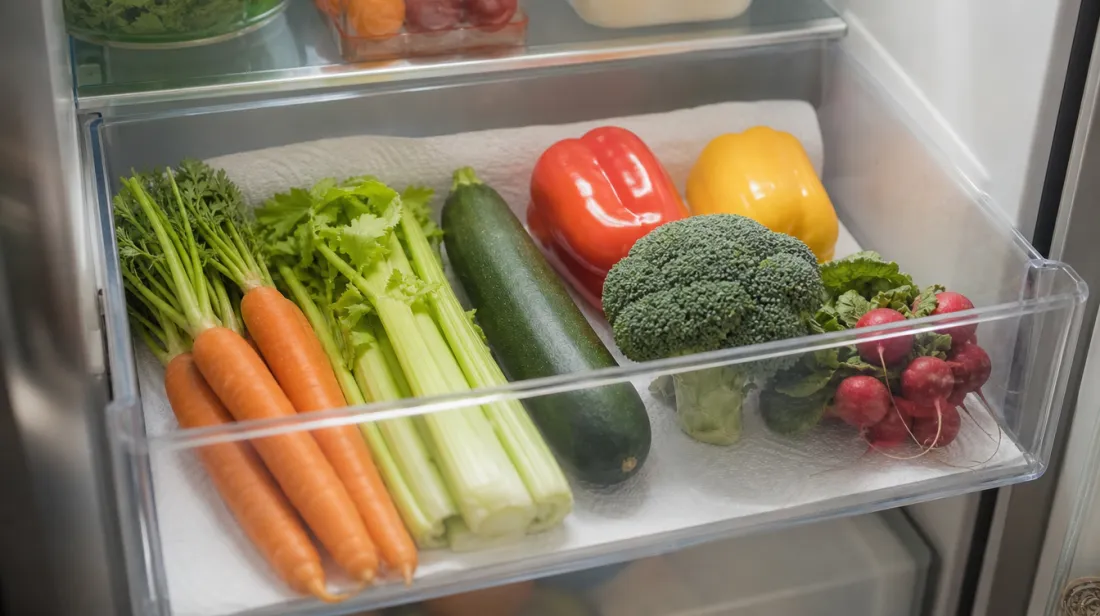
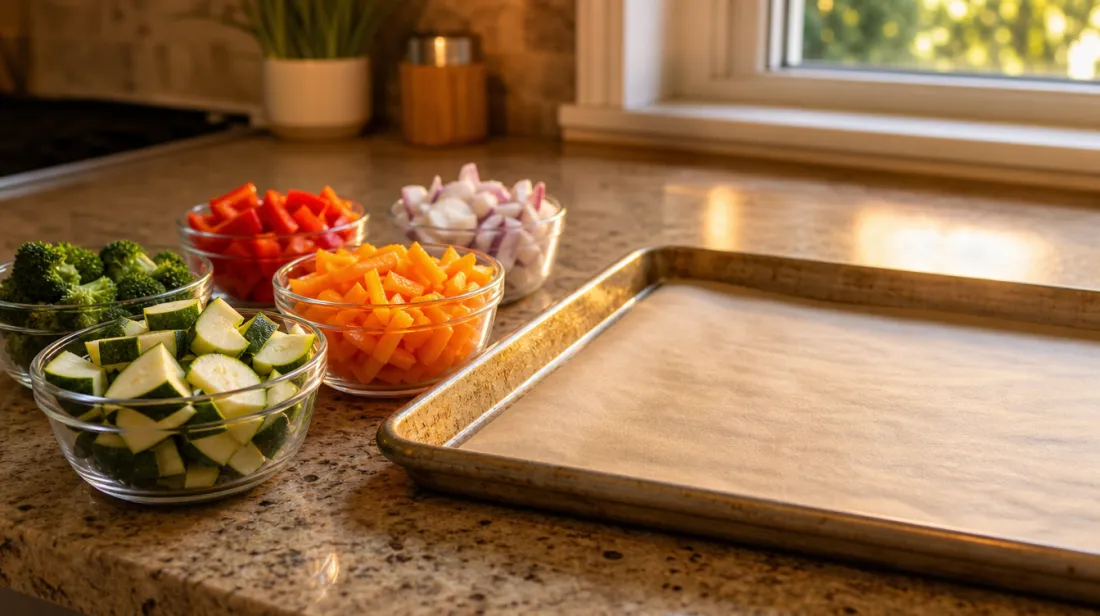
Chopping onions, peppers, and other vegetables is usually the slowest part of cooking dinner, not the actual cooking. Set aside twenty minutes on a Saturday or Sunday to chop what you will need for the week and store it in containers in the fridge.
When dinner time comes, you can go straight from container to pan, which turns a thirty minute prep job into a two minute one.
Tip: Vegetables like onions, celery, and peppers hold up well chopped for four to five days in a sealed container.
Lean on Sheet Pan Dinners
A sheet pan dinner puts your protein and vegetables on one tray in the oven at the same time, which means one pan to clean and almost no active cooking time. Toss chicken thighs or a cut of fish with vegetables like broccoli, carrots, or potatoes, season them, and roast until done.
You get a full meal with maybe ten minutes of hands-on work, and the oven does the rest while you do something else.
Keep Frozen Vegetables on Hand
Fresh vegetables are great, but they are not always realistic on a busy night when you have not had time to shop. Frozen vegetables are picked and frozen at peak ripeness, so they hold onto their nutrients well, and they skip the washing and chopping step entirely.
Keep a mix of frozen vegetables in the freezer for nights when fresh is not an option.
Tip: Frozen vegetables cook fastest straight from frozen. There is no need to thaw most of them first.
Cook Grains and Beans in Bulk
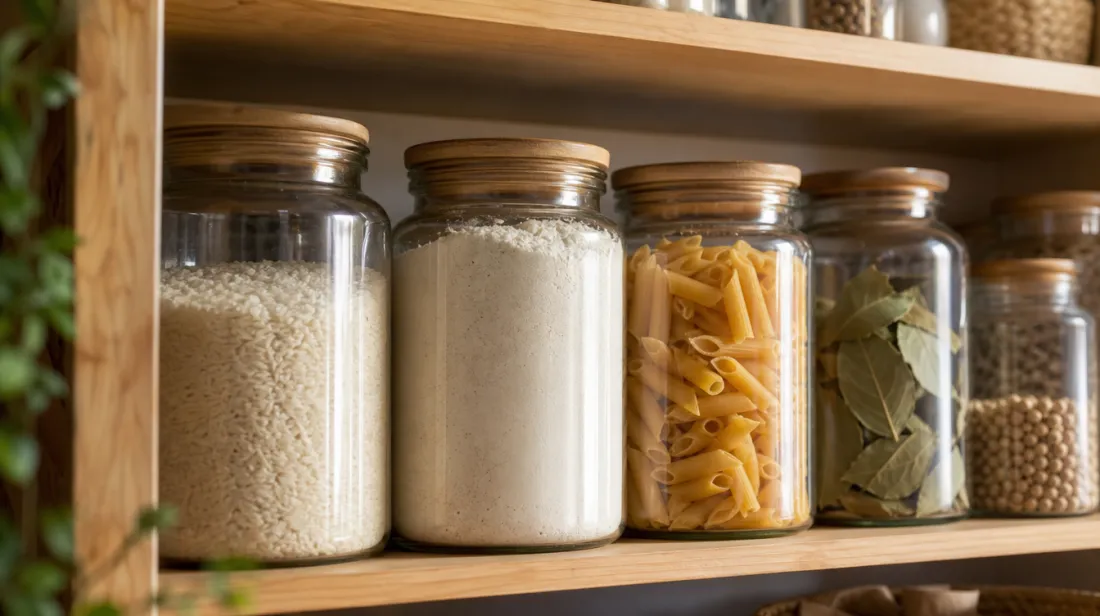
Rice, quinoa, and beans all take a while to cook, but they reheat just as well as they cook fresh. Make a big batch once or twice a week and store it in the fridge in a sealed container.
Having a base of grains or beans already done means dinner can come together around whatever protein and vegetables you have that night.
Use One-Pan or One-Pot Meals
Every extra pan you use is more time spent cooking and more time spent cleaning up afterward. Meals like a stir fry, a simple pasta with vegetables tossed in near the end, or a skillet dinner keep everything in one pan from start to finish.
This cuts your active cooking time and your dishwashing time at once, which adds up to a real difference by the end of a busy week.
Tip: Add quicker-cooking ingredients, like leafy greens or thin cuts of meat, later in the process so nothing overcooks while you wait on the rest.
Double Recipes on Purpose
When you are already cooking something that reheats well, like a chili, a soup, or a baked pasta dish, doubling the recipe costs you very little extra time compared to making it from scratch twice. The leftovers become an instant dinner on a night when you have no time or energy to cook at all.
Tip: Portion the extra into single meal containers before storing so it is easy to grab exactly what you need without reheating more than you plan to eat.
Plan Your Week Around a Few Repeatable Meals
Deciding what to cook each night is its own kind of time cost, even before you pick up a knife. Having four or five go-to meals you can make almost without thinking removes that daily decision and lets you move straight into cooking.
You do not need to eat the exact same rotation every week. Just having a short list of reliable, familiar meals to fall back on saves the mental energy that often turns into a takeout order instead.
Prep Your Protein the Night Before
Marinating or seasoning meat, tofu, or fish the night before, even for just ten minutes while you clean up after the previous dinner, means one less step standing between you and the stove the next evening. Store it in the fridge in a sealed container or bag, ready to go straight into the pan.
Tip: This works especially well for anything that benefits from time to soak up flavor, like chicken in a marinade or beans seasoning in their own liquid overnight.
The Bottom Line
You do not need to become a faster cook to save time on weeknights. You need a little bit of prep done ahead of time and a few go-to methods that keep things simple.
Pick one or two of these habits to start with, and you will likely find dinner coming together in half the time it used to take.